What to Expect During a Professional Metal Roof Installation
People searching for metal roof installation are typically looking to understand the process and how local contractors can professionally handle the job.
Understanding what to expect during a professional metal roof installation can help property owners feel more prepared for the process. When working with local contractors, homeowners and business owners can anticipate a series of practical steps designed to ensure the job is completed efficiently and effectively. Knowing the typical stages of installation-from initial site preparation to the final inspection-can reduce surprises and provide peace of mind, especially for those considering an upgrade to a durable, long-lasting roofing material like metal.
Property owners in the area often explore this topic to better understand how a professional installation can protect their investment and enhance the overall appearance of their property. Local service providers are equipped to handle the complexities involved, ensuring the project adheres to industry standards and local regulations. By learning about the process, property owners can make informed decisions and feel confident in choosing experienced contractors who can deliver quality results tailored to their specific needs.
- Metal roof replacement - homeowners considering a full roof upgrade can rely on local contractors to handle removal and installation efficiently.
- New metal roof installation - when building a new structure or adding a roof, service providers ensure proper setup and material handling.
- Metal roof repair - if existing panels are damaged or leaking, local pros assess the situation and perform necessary repairs during the installation process.
- Roof upgrade or retrofit - upgrading an older roof for better durability involves careful planning and professional installation by local contractors.
- Storm damage restoration - after severe weather, service providers can replace or reinforce metal roofs to restore protection and integrity.
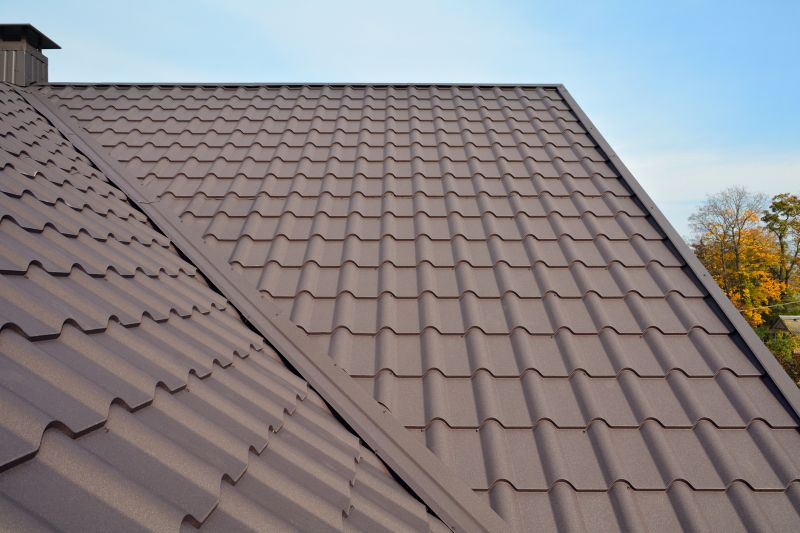
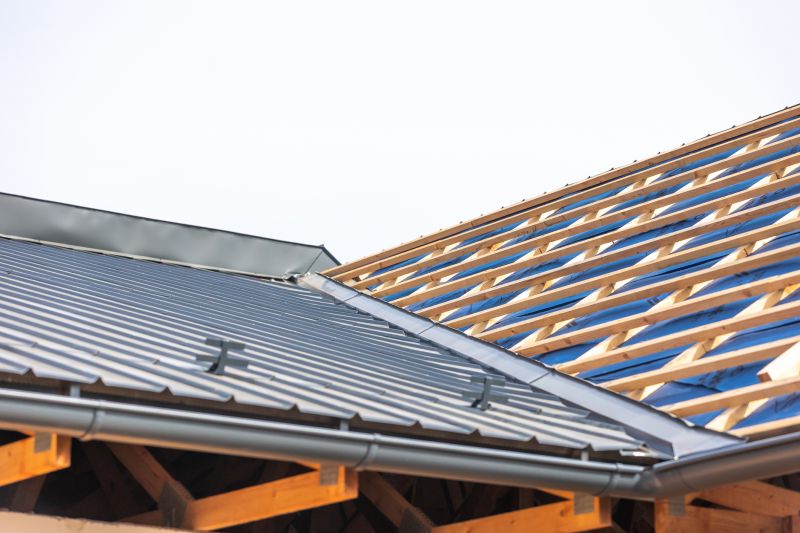
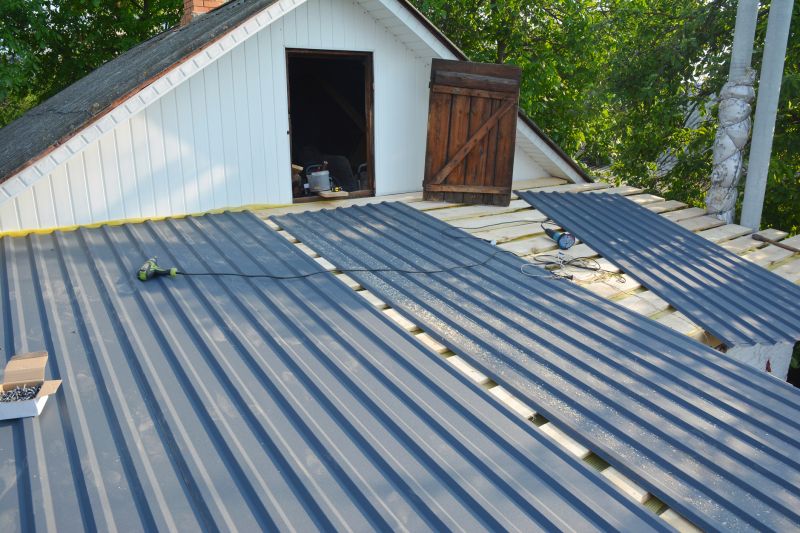
When homeowners search for information about what to expect during a professional metal roof installation, they are often trying to understand the overall process involved in upgrading or replacing their existing roofing system with metal panels. This topic relates to projects that typically involve replacing old, damaged, or outdated roofs, as well as new construction where a durable, long-lasting roofing material is desired. Many property owners are interested in the sequence of steps, potential disruptions, and what kind of preparation or coordination might be required. Understanding these details helps homeowners feel more confident about the project and ensures they are prepared for the work that will take place on their property.
The installation process generally connects to common roofing problems such as leaks, rust, or structural deterioration that can be addressed through a professional metal roof. It also ties into planning for a property’s long-term durability, energy efficiency, and aesthetic upgrade. Many property owners consider metal roofing for residential homes, especially those with steep or complex rooflines, as well as for commercial buildings, garages, or agricultural structures. These projects often involve considerations like roof size, pitch, and existing roofing materials, which influence how the installation will proceed. Local service providers are experienced in handling these different property types and can tailor their approach to meet the specific needs of each project.
Properties that frequently come up in discussions about metal roof installations include single-family homes, multi-family buildings, small commercial properties, and agricultural or industrial structures. Residential properties often seek metal roofing for its longevity and low maintenance, while commercial and industrial properties may prioritize durability and weather resistance. The size and complexity of the property can impact the scope of work, with larger or more intricate roofs requiring detailed planning and specialized techniques. Local contractors are equipped to handle these various property types, ensuring that the installation process is smooth and aligned with the property’s unique characteristics.
During a professional metal roof installation, property owners can generally expect a series of key phases, starting with preparation and site protection. This includes safeguarding landscaping, removing existing roofing materials if necessary, and setting up equipment. The installation itself involves precise placement of metal panels, secure fastening, and ensuring proper sealing to prevent leaks. Throughout the process, local service providers maintain a focus on quality workmanship and safety standards, which helps ensure the durability and performance of the new roof. Once completed, property owners are usually provided with guidance on what to expect in terms of ongoing care and the long-term benefits of their new metal roofing system.
Commercial Roofing Projects - installing large-scale roofing systems for businesses often involves similar planning and safety measures as metal roof installation, requiring precise execution and specialized tools.
Roof Replacement Services - removing old roofing materials and installing new coverings shares techniques with metal roof installation, including surface preparation and detailed craftsmanship.
Metal Siding Installations - applying metal panels for siding involves comparable skills in handling metal materials, fasteners, and ensuring weather-tight finishes.
Gutter and Flashing Installations - installing gutters and flashing requires attention to detail and knowledge of roofing systems, which complements the skills needed for metal roof setup.
Architectural Sheet Metal Work - custom metal fabrication and installation projects utilize similar tools and planning as part of professional metal roofing services.
Skylight and Vent Installation - integrating skylights or vents into roofing systems involves precise cutting and sealing techniques akin to metal roof installation processes.
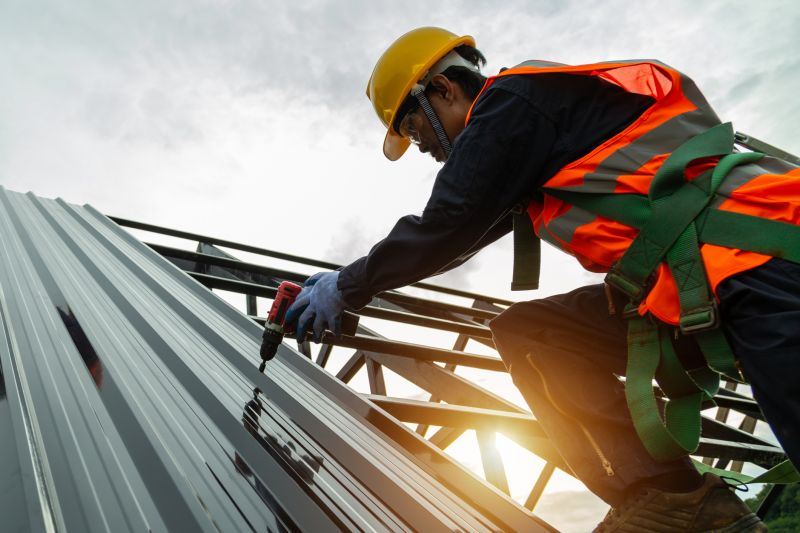
When evaluating service providers for a metal roof installation, it’s important to consider their experience with similar projects. Homeowners should inquire about how long the contractor has been working on metal roofing and request details about past installations comparable in size and style to their own. A contractor with a proven track record in handling projects like yours is more likely to understand the specific requirements and challenges involved, ensuring a smoother process and a more durable result.
Clear, written expectations are essential when comparing local contractors. Homeowners should seek detailed proposals that outline the scope of work, materials to be used, and the steps involved in the installation process. Having these expectations documented helps prevent misunderstandings and provides a basis for comparison. It’s also wise to ask for reputable references or reviews from previous clients, which can offer insight into the contractor’s reliability, quality of work, and professionalism.
Effective communication is a key factor in a successful metal roof installation. Service providers who are responsive, transparent, and willing to answer questions can make the process more manageable and less stressful. Homeowners should observe how promptly and clearly contractors communicate during initial inquiries, as this often reflects their overall approach to project management. Choosing a contractor who maintains open lines of communication can help ensure that expectations are aligned and that any issues are addressed promptly throughout the installation process.
Property owners often search for what to expect during a professional metal roof installation when they are planning practical projects around their homes and businesses. Local pros provide Metal Roof Installation services for everyday jobs and straightforward project options.
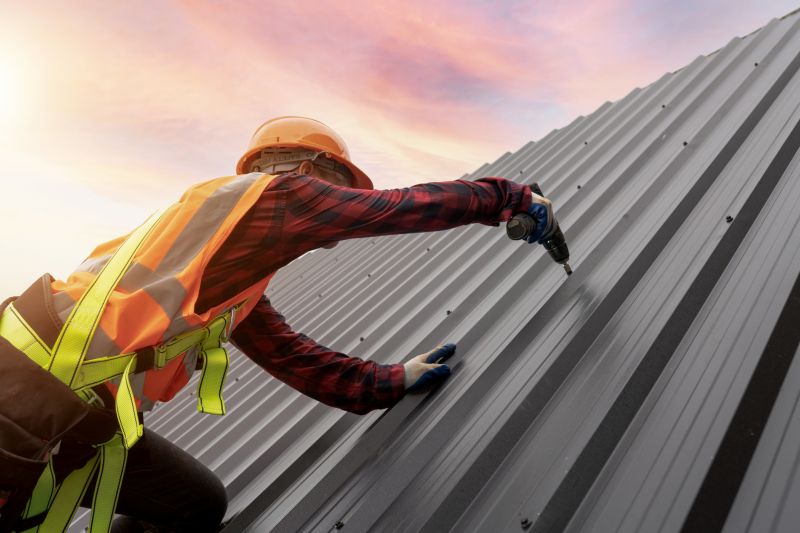
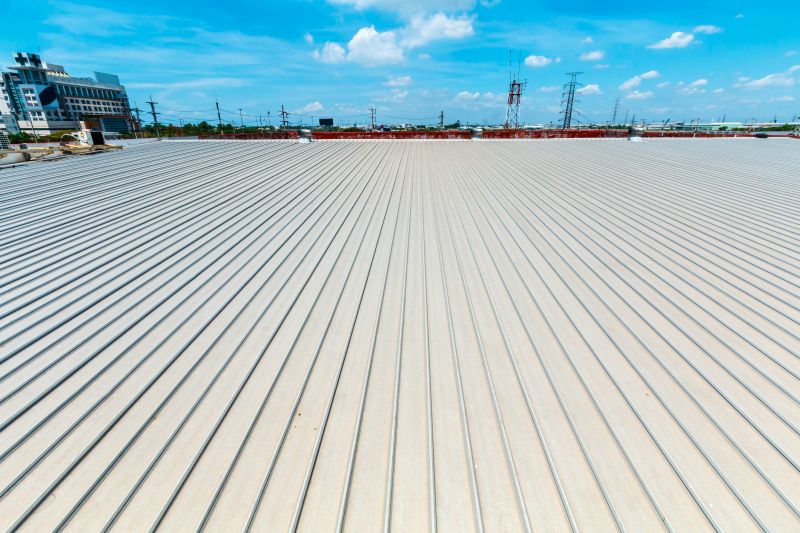
During a professional metal roof installation, property owners can expect the process to involve several key stages that are typical for this type of project. Local contractors usually start with an assessment of the existing roof and the preparation of the surface to ensure proper attachment of the new metal panels. This may include removing old roofing materials, inspecting the underlying structure, and making necessary repairs. Throughout the installation, homeowners might notice the use of specialized tools and equipment, and the work often requires multiple days to complete, especially for larger or more complex roofs.
Property owners often look up what to expect during a professional metal roof installation to better understand how the process fits into their daily routines and to ensure a smooth experience. Local service providers aim to minimize disruptions while working efficiently and safely. They typically communicate about the steps involved, including the installation of underlayment, the placement of metal panels, and the finishing touches such as sealing and trimming. Knowing what to anticipate can help property owners prepare for the project, making it easier to coordinate with local contractors and ensure the job is completed to their satisfaction.
What steps are involved in a professional metal roof installation? During a typical metal roof installation, local contractors prepare the existing roof surface, install necessary underlayment, and then carefully place and secure the metal panels to ensure durability and proper fit.
What should I expect in terms of preparation before the installation begins? Homeowners may be advised to clear the work area and ensure access to the roof. Local service providers often conduct a site assessment to plan for the installation process.
How do local contractors handle the actual installation process? Experienced service providers typically use specialized tools and techniques to install metal roofing panels efficiently, paying attention to weatherproofing and secure fastening throughout the process.
Will there be any noticeable disruptions during installation? Some noise and activity can be expected, but professional local pros aim to minimize disruptions by working efficiently and following safety protocols during the installation.
What kind of finishing touches or inspections are part of the process? After installation, local contractors often perform a thorough inspection to ensure all panels are properly secured and aligned, and may clean the work area to leave a finished, professional look.
Preparation and Site Setup - Property owners can ensure the work area is clear of obstructions to facilitate smooth installation by local contractors.
Material Handling and Delivery - Coordinating with service providers about delivery times helps prevent delays and keeps the project on track.
Installation Process Overview - Understanding the typical steps involved allows property owners to plan for temporary disruptions during the installation.
Post-Installation Inspection - A thorough review by local pros ensures the roof installation meets quality standards and addresses any immediate concerns.
If you are thinking about what to expect during a professional metal roof installation for a property, this guide is meant to help you understand this topic, the typical project types, and how different options might fit your plans.
When you are ready, you can use the quote form on this page to share a few details about your project. From there, local pros can review the basics and follow up with options that match what you have in mind.