Get Roof Flashing Installation
Roof flashing installation services help property owners prevent leaks and water damage by sealing joints around chimneys, vents, skylights, and roof edges with skilled local contractors.
Proper roof flashing installation is an essential step in protecting a property from water intrusion and structural damage. Property owners in the area often explore this work to ensure their roofs are well-sealed around vents, chimneys, and other roof penetrations. By addressing these areas, homeowners can help maintain the integrity of their roofing system and prevent costly repairs down the line. Keep reading to learn more about how local contractors can assist with this important aspect of roof maintenance and improvement.
When planning a roofing project, comparing options from local contractors can provide valuable insights into the best approach for your property. Experienced service providers can assess your specific needs and recommend effective flashing solutions tailored to your roof’s design and weather conditions. Exploring these options ensures that property owners make informed decisions that enhance the durability and performance of their roofing system.
- Roof Flashing Installation - needed when flashing around chimneys, vents, or skylights shows signs of damage or leaks.
- Roof Flashing Repair - required when existing flashing is corroded, cracked, or improperly installed, leading to water intrusion.
- New Roof Flashing - necessary during new roof construction or replacement to ensure proper waterproofing and protection.
- Vent and Chimney Flashing - essential when installing or maintaining vents and chimneys to prevent leaks and water damage.
- Skylight Flashing - needed when sealing or resealing around skylights to maintain a watertight barrier.
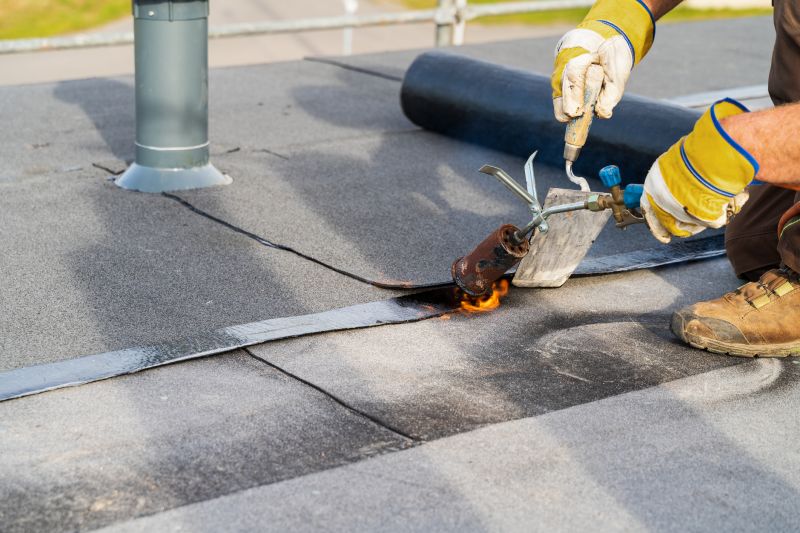
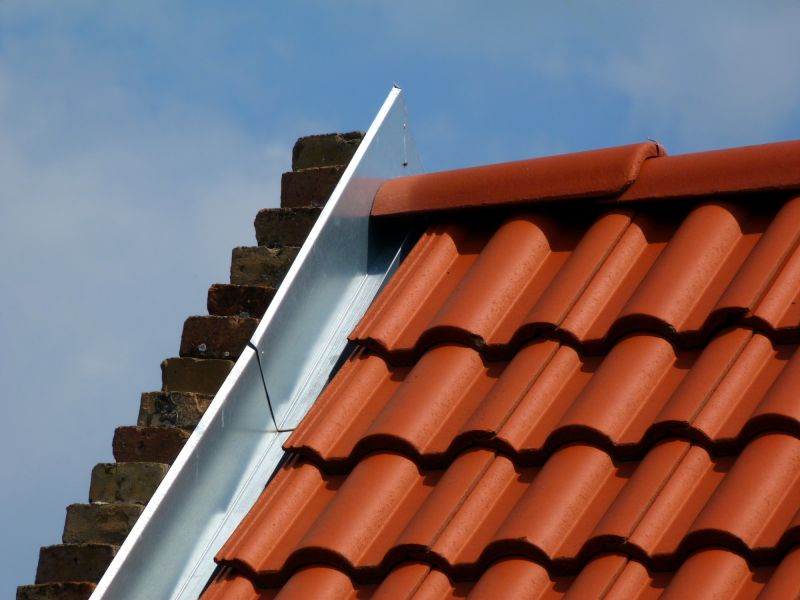
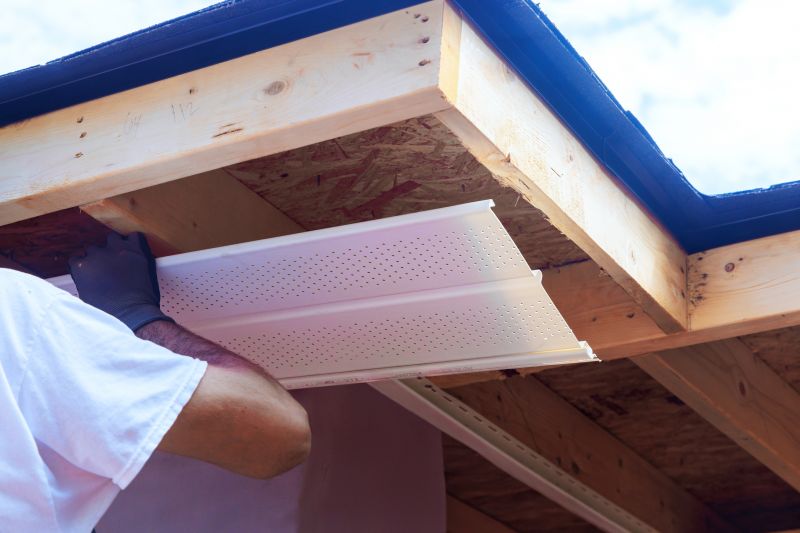
Roof flashing installation is a vital process that involves placing metal strips or barriers around roof features such as chimneys, vents, skylights, and along roof joints. These metal components help create a waterproof seal, preventing water from seeping into the roof structure and causing damage. Proper flashing installation requires precise placement and secure fastening to ensure that the roof remains protected from weather elements. Experienced contractors assess the specific needs of each property to install flashing that effectively directs water away from vulnerable areas.
One of the primary problems roof flashing helps address is water infiltration, which can lead to leaks, mold growth, and structural deterioration. Over time, flashing can become damaged or deteriorate due to exposure to the elements, resulting in gaps or corrosion. When flashing fails, it can allow water to penetrate the roof line, causing interior damage and costly repairs. Local service providers can evaluate existing flashing for signs of wear or damage and perform necessary replacements or upgrades to restore the roof’s protective barrier.
Roof flashing installation is commonly needed on a variety of property types, including residential homes, commercial buildings, and multi-family dwellings. Homes with complex roof designs, multiple roof penetrations, or older roofing systems often require professional flashing installation to ensure proper sealing. Properties situated in areas with frequent rain, snow, or harsh weather conditions benefit from well-installed flashing that provides an extra layer of protection. Whether it’s a new construction project or an older building in need of maintenance, local contractors can help determine the best flashing solutions for each property.
Homeowners should consider roof flashing installation when they notice signs of leaks around chimneys, vents, or roof joints, or if the roof has experienced storm damage. Additionally, if a roof is undergoing repairs or a full replacement, installing new flashing can help extend the lifespan of the roof and prevent future issues. Properly installed flashing not only enhances the durability of the roof but also provides peace of mind by reducing the risk of water damage. Contacting experienced local service providers ensures that the installation is handled correctly and tailored to the specific needs of each property.
The overview below groups typical Roof Flashing Installation projects into broad ranges so you can see how smaller, mid-sized, and larger jobs often compare in your area.
In many markets, a large share of routine jobs stays in the lower and middle ranges, while only a smaller percentage of projects moves into the highest bands when the work is more complex or site conditions are harder than average.
Smaller Repairs - Typical costs for minor roof flashing repairs usually range from $250 to $600. Many routine fixes fall within this middle range, depending on the extent of the damage and materials involved.
Partial Replacement - When replacing sections of flashing, local contractors often charge between $600 and $1,500. Larger, more complex projects can push costs higher, but most fall within this moderate range.
Full Roof Flashing Replacement - Complete replacement of roof flashing generally costs between $2,000 and $5,000. While some high-end or intricate jobs can exceed this, most projects are priced within this range.
Complex or Custom Installations - Custom or highly detailed flashing work may range from $5,000 to $10,000 or more. These projects are less common and tend to involve specialized materials or challenging roof designs.
Actual totals will depend on details like access to the work area, the scope of the project, and the materials selected, so use these as general starting points rather than exact figures.
Chimney Flashing Repairs - these projects involve installing or repairing flashing around chimneys, requiring similar skills in sealing and waterproofing roof penetrations.
Skylight Flashing Installation - installing flashing around skylights to prevent leaks involves precise planning and waterproofing techniques comparable to roof flashing work.
Roof Vent Flashing - securing flashing around roof vents demands similar attention to detail and waterproofing methods used in roof flashing installation.
Dormer Flashing Projects - installing or repairing flashing on dormers requires expertise in sealing complex roof intersections, akin to roof flashing tasks.
Valley Flashing Installation - installing flashing in roof valleys involves similar planning and waterproofing skills to ensure proper water runoff management.
Gutter and Eaves Flashing - projects that involve sealing and protecting eaves and gutters with flashing share techniques used in roof flashing installation for leak prevention.
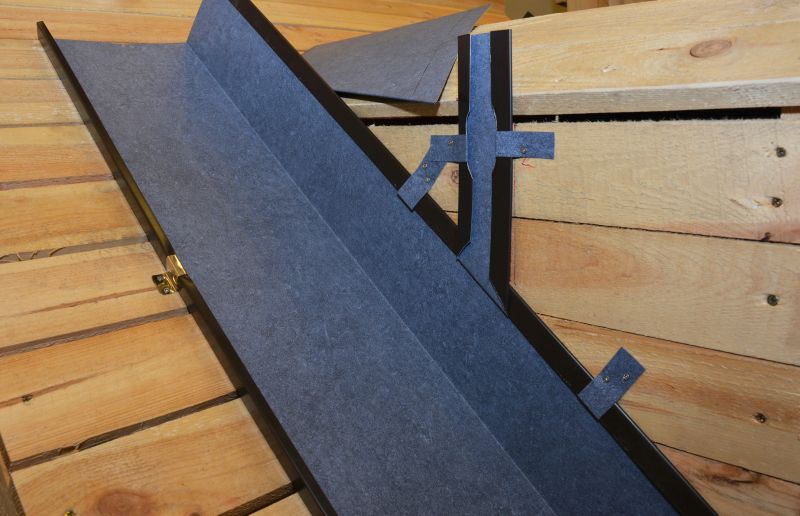
When evaluating service providers for roof flashing installation, it’s important to consider their experience with similar projects. Homeowners should look for local contractors who have a proven track record of handling roof flashing tasks comparable to their specific needs. This can involve asking about past projects, reviewing portfolios, or seeking examples of work that demonstrate familiarity with the type of roof and materials involved. An experienced professional is more likely to understand the nuances of proper flashing installation, which can contribute to the durability and effectiveness of the repair or upgrade.
Clear, written expectations are essential to ensure that both parties are aligned on the scope of work. When comparing local contractors, homeowners should seek providers who offer detailed descriptions of the services they will perform, including the materials used, the process involved, and any warranties or guarantees. Having a written outline helps prevent misunderstandings and provides a reference point throughout the project. This clarity can contribute to a smoother experience and a final result that meets the homeowner’s needs.
Reputable references and good communication are key indicators of a trustworthy service provider. Homeowners might ask potential contractors for references from previous clients or look for reviews that highlight reliability and professionalism. Additionally, effective communication during the inquiry process can reveal how well a contractor listens to concerns, explains options, and responds to questions. Choosing local contractors known for transparent and responsive communication can help foster a positive working relationship and increase confidence that the project will be managed professionally from start to finish.
Property owners use Roof Flashing Installation services for practical projects around their homes and businesses. This guide focuses on everyday jobs and straightforward project options.
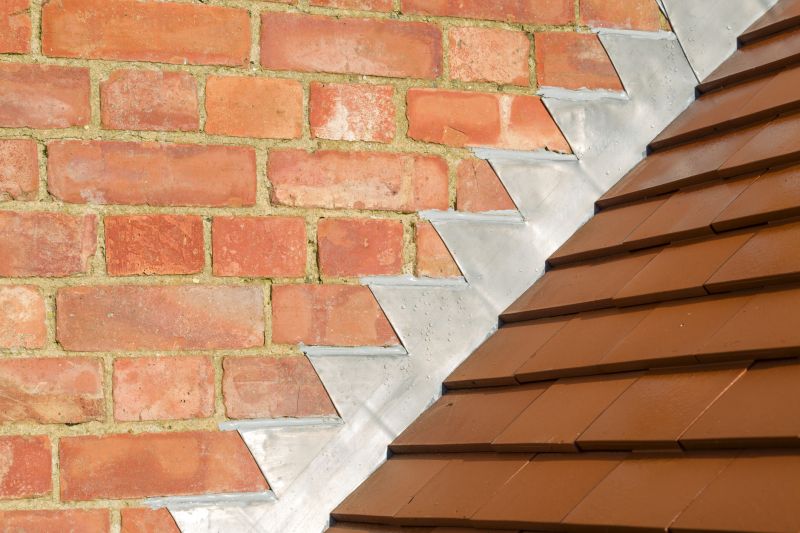
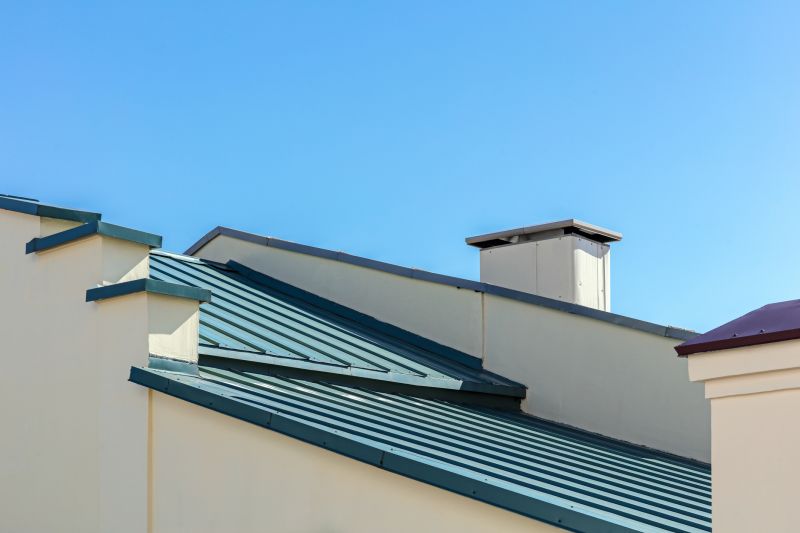
Roof flashing installation is a common project for property owners dealing with issues like leaks, water damage, or aging roofing components. When flashing becomes damaged or improperly installed, it can lead to water seeping into the home around chimneys, vents, or roof joints. Local contractors can assess these problem areas and provide the necessary flashing repairs or replacements to help protect the building’s interior from moisture-related issues.
Property owners might also seek flashing installation services when building new roofs or making renovations that require additional weatherproofing. Properly installed flashing helps ensure that the roof remains durable and resistant to water infiltration over time. Local service providers are equipped to handle these projects, offering the expertise needed to maintain the integrity of the roof and prevent costly damage down the line.
What is roof flashing installation? Roof flashing installation involves placing metal or other durable materials around roof features like chimneys, vents, and valleys to prevent water intrusion and protect the structure.
Why is proper roof flashing important? Proper roof flashing helps prevent leaks, water damage, and structural issues by directing water away from vulnerable areas on the roof.
How do local contractors handle roof flashing installation? Local contractors assess the roof, select appropriate flashing materials, and install them securely to ensure long-lasting waterproofing and durability.
What types of roof flashing are commonly installed? Common types include step flashing, continuous flashing, and base flashing, each suited for different roof features and configurations.
Can roof flashing be repaired or replaced later? Yes, roof flashing can be repaired or replaced if it becomes damaged, corroded, or improperly installed, helping maintain roof integrity over time.
Roof Flashing Installation - Protects vulnerable roof edges and joints from water infiltration during heavy rain or snow, helping to prevent leaks.
Gutter and Roof Line Repairs - Ensures proper sealing around chimneys, vents, and skylights to maintain the integrity of the roofing system.
Roof Maintenance Projects - Complements routine inspections by addressing potential problem areas with professional flashing installation or repair.
New Roof Construction - Provides a secure, weather-resistant barrier that enhances the durability of new roofing systems during installation.
If you are thinking about Roof Flashing Installation for a property, this guide is meant to help you understand the work, the typical project types, and how different options might fit your plans.
When you are ready, you can use the quote form on this page to share a few details about your project. From there, local pros can review the basics and respond with options that match what you have in mind.